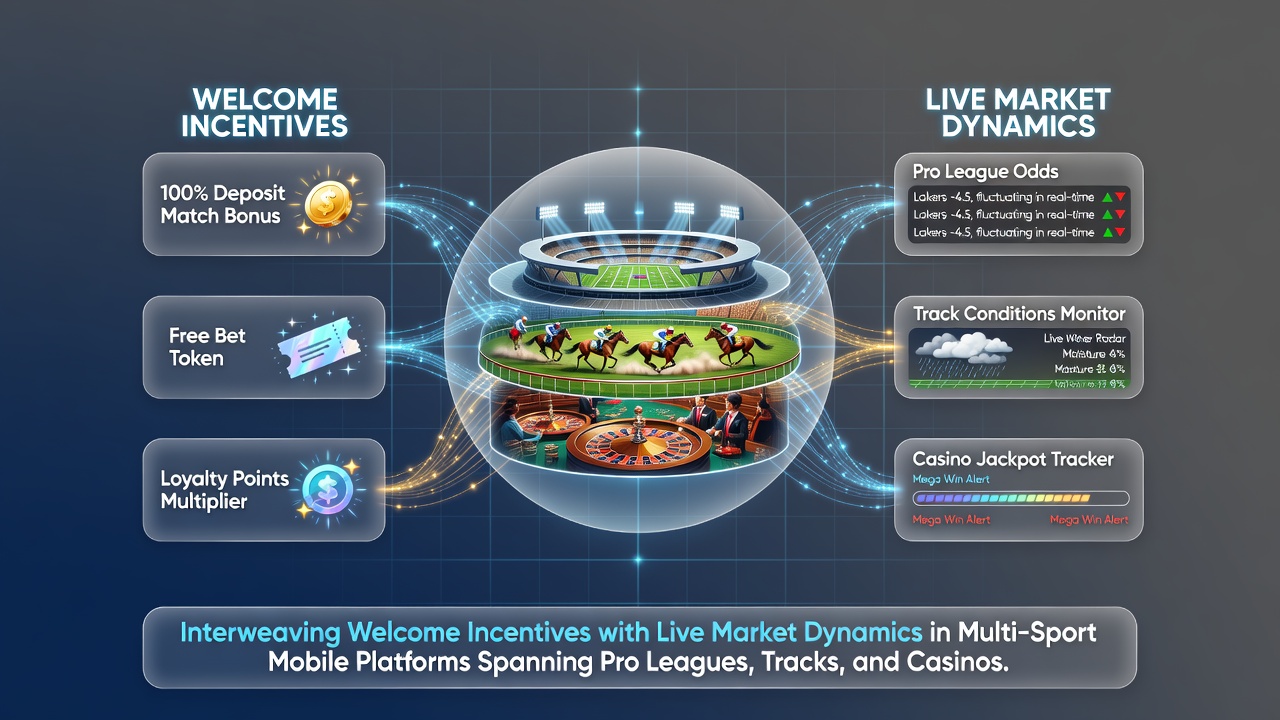
Connecting Onboarding Perks to Fluctuating Live Markets on Multi-Sport Handheld Betting Interfaces
Platforms that span professional leagues, racetracks, and casino environments continue to refine how initial account credits interact with shifting probabilities during live events, and observers note that these systems rely on automated rules that apply bonus balances alongside real-time data feeds from multiple venues at once. In August 2026, developers adjusted matching algorithms so that deposit-matched funds could convert into active wagers without separate approval steps when users moved from one market type to another.
Core Mechanics of Incentive Application
Research indicates that most multi-sport applications calculate bonus eligibility at the moment a user places a live stake, which means the system checks remaining credit, wagering requirements, and event status simultaneously before confirming the bet. Data from industry reports shows that conversion rates rise when the software automatically prorates bonus portions across different asset classes rather than forcing users to select separate pools for football props, horse win pools, or roulette spins. Those who monitor platform updates report that August 2026 patches introduced fractional allocation so that a single bonus dollar could cover portions of an NBA live spread, a harness race exacta, and a blackjack hand within the same session.
Real-Time Market Adjustments Across Venues
Live odds engines pull feeds from league data providers, track timing systems, and table sensors, then recalculate probabilities every few seconds while bonus ledgers update in parallel. Experts have observed that when a late injury shifts an NFL line, the same change can trigger an instant recalculation of any pending bonus rollover attached to that ticket. Studies from academic sources on digital gaming behavior found that users who maintain active bonus balances tend to keep sessions open longer when the interface displays both the updated market price and the remaining bonus contribution in one view. Platforms therefore embed the bonus tracker inside the odds ticker rather than in a separate menu.
Payment Channel Synchronization
Transaction processors now route funds through unified ledgers that treat bonus credits and cash balances as interchangeable units during live switches, which reduces latency when a bettor moves from a track tote window to a casino side bet. Figures released by regulatory bodies in Nevada and Ontario demonstrate that average session lengths increased after these unified ledgers became standard, because users no longer needed to wait for separate confirmations when reallocating remaining bonus funds across sports. The same data sets indicate that error rates in bonus application dropped once platforms began using timestamp synchronization between the odds server and the wallet service.
Cross-Market Examples in Practice
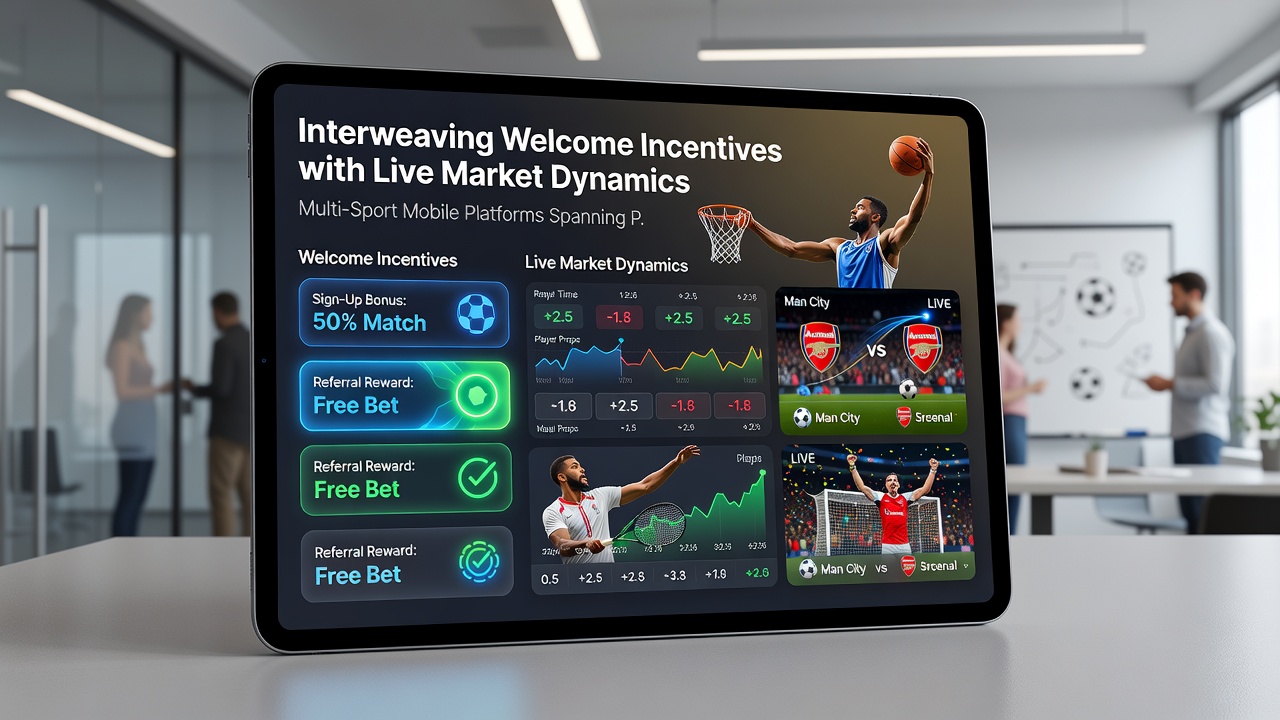
One documented workflow involves a user who deposits during an afternoon NFL game, receives a matched credit, then applies part of that credit to a live horse race while the remaining portion funds a casino progressive during the evening slate. The application records each segment against the same bonus requirement meter, so the user sees progress toward clearance even though the underlying events occur on different schedules and under different risk profiles. Observers note that this approach prevents the common issue where bonus funds sit idle because they were locked to a single sport or table type. According to reports compiled by the American Gaming Association, operators that implemented unified meters recorded higher completion rates for bonus terms during the 2026 summer racing and basketball overlap period.
Regulatory and Technical Considerations
Compliance frameworks in multiple jurisdictions require that bonus terms remain visible and that live market changes do not alter those terms retroactively, which forces developers to separate the rules engine from the odds engine while still allowing real-time display updates. Technical teams therefore maintain two parallel data streams: one for probability adjustments and another for bonus status that only refreshes when a new wager is attempted. Data collected by oversight agencies in Australia and the European Union shows that clear separation reduces dispute volume because users can verify at any moment how much of their current stake draws from bonus versus cash funds.
Trends Observed Through August 2026
Platform telemetry collected through the first half of 2026 reveals that sessions involving at least three different market categories—team sports, equine events, and table games—now account for a growing share of total handle when bonus credits remain active. The pattern appears because the software presents suggested next actions that carry the remaining bonus balance forward automatically, which keeps users inside the ecosystem rather than prompting an external cash-out. Industry organizations tracking these metrics report that the average number of market switches per session rose after operators began displaying the bonus meter alongside every live odds change.
Conclusion
Integration of onboarding rewards with live market engines has produced systems that treat bonus balances as portable units across professional leagues, racetracks, and casino offerings, and the technical changes implemented by August 2026 emphasize simultaneous updates to both probability feeds and credit ledgers. Regulatory data from varied jurisdictions confirms that transparent metering and unified transaction layers support higher completion of promotional terms while maintaining compliance standards across asset types. Continued refinement of these parallel data streams remains the focus for operators seeking to maintain seamless movement between different live events within a single mobile session.