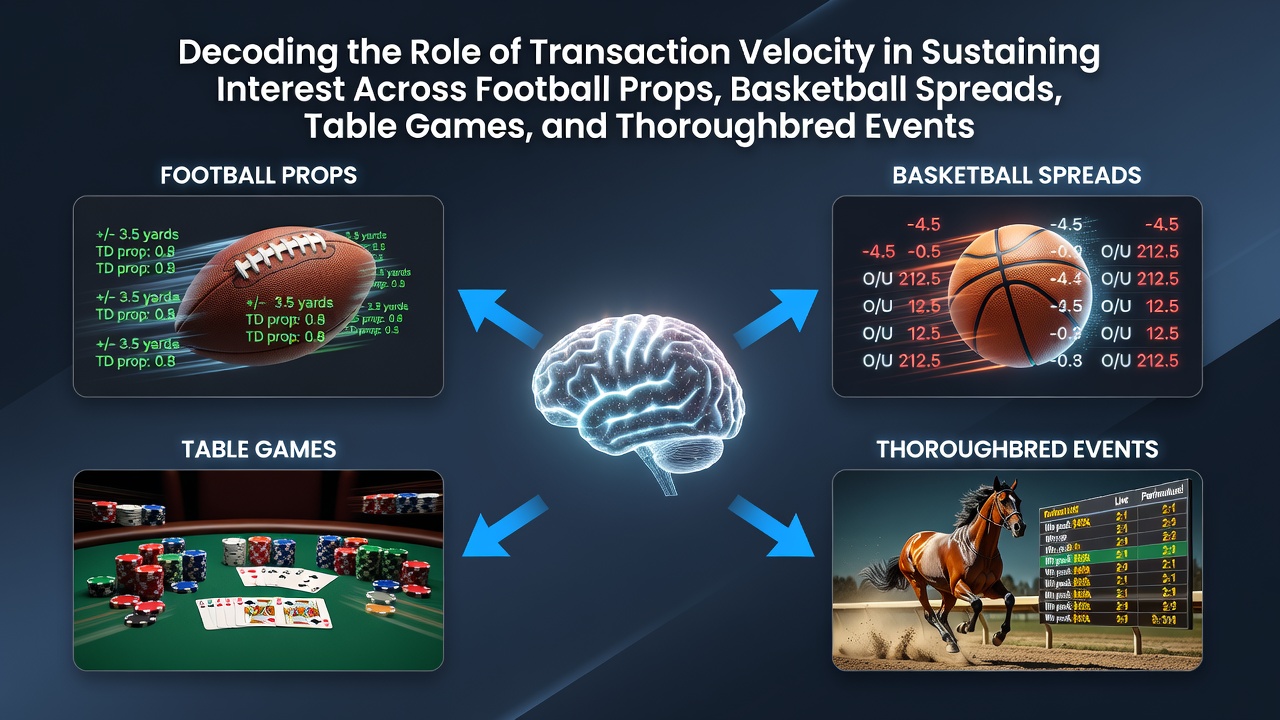
Decoding the Role of Transaction Velocity in Sustaining Interest Across Football Props, Basketball Spreads, Table Games, and Thoroughbred Events
Transaction velocity refers to the rate at which funds move through betting accounts during active sessions, and data from industry reports indicate it influences participation patterns across multiple sectors. In July 2026 observers note continued growth in markets where quick deposits and settlements occur, particularly during periods when football props generate frequent micro-bets and basketball spreads attract live adjustments. Researchers tracking these movements have documented how velocity correlates with session duration in controlled studies released by academic institutions.
Patterns in Football Props and Basketball Spreads
Football props involve wagers on specific player or team outcomes, while basketball spreads focus on point margins, yet both categories show measurable differences in transaction speed compared with other verticals. According to figures compiled by the Nevada Gaming Control Board, prop markets often record higher turnover rates during prime-time windows because bettors place sequential wagers on the same game. Basketball spreads meanwhile demonstrate steadier velocity throughout an evening slate, with adjustments occurring after each quarter. Those who analyze platform logs report that faster settlement cycles encourage repeated engagement rather than single isolated bets.
Table Games and Their Velocity Characteristics
Table games such as blackjack and roulette operate on continuous rounds that produce rapid transaction sequences once play begins. Industry data collected across multiple jurisdictions reveal that table game sessions maintain elevated velocity when payout confirmations arrive within seconds rather than minutes. This pattern differs from sports betting because each hand or spin resets the opportunity for immediate re-engagement. Studies conducted by researchers at the University of Nevada Las Vegas have quantified how reduced latency between rounds correlates with longer average play intervals in monitored environments.
Thoroughbred Events and Transaction Dynamics
Thoroughbred racing presents distinct timing structures because races occur at fixed intervals with clear starts and finishes. Transaction velocity in this sector spikes during the minutes surrounding post time when bettors finalize wagers and await results. Records maintained by racing authorities in Australia indicate that tracks equipped with near-instant result processing experience higher repeat betting activity within the same card. The structure of racing cards allows multiple events per day, which in turn creates natural windows for velocity to influence whether participants remain active across successive races.
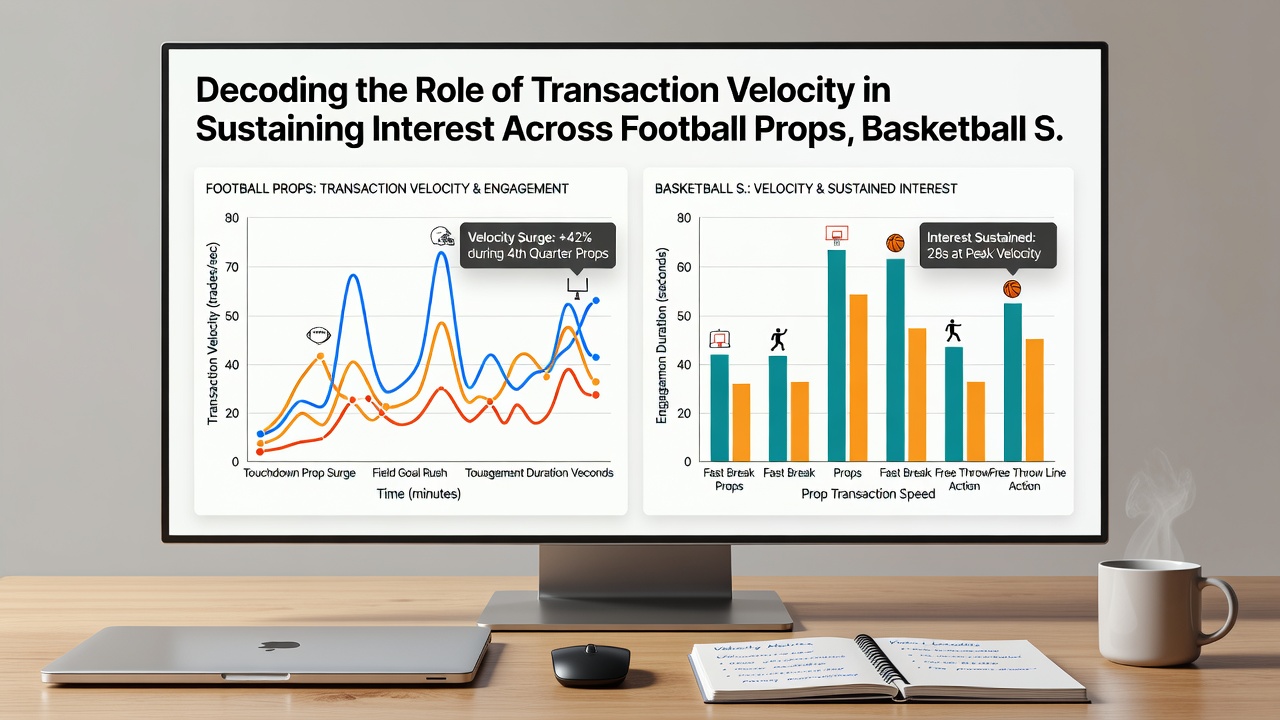
Cross-category comparisons become relevant when bettors shift attention between football props and thoroughbred events on the same day. Evidence collected by the Canadian Gaming Association suggests that platforms maintaining consistent transaction speeds across these verticals record more balanced distribution of activity rather than concentration in a single market. The ability to move funds without delay appears to support sustained interest even as event schedules change.
Measurement Approaches and Available Data
Velocity metrics typically combine deposit frequency, bet placement intervals, and payout confirmation times. Reports issued by regulatory bodies in various regions document that July 2026 saw continued refinement of these measurements as operators integrated additional tracking tools. Academic papers examining European markets have noted similar patterns, though regulatory frameworks differ. Observers point out that standardized definitions remain inconsistent across jurisdictions, which complicates direct comparisons yet still allows identification of broad trends.
One analysis released in early 2026 examined session logs from multiple operators and found that categories with sub-second settlement capabilities retained higher percentages of active accounts over multi-hour periods. Football props and table games displayed the strongest retention signals in that dataset, while basketball spreads and thoroughbred events followed closely when transaction processing remained uninterrupted.
Conclusion
Transaction velocity functions as one measurable factor among several that shape engagement across football props, basketball spreads, table games, and thoroughbred events. Available records from regulatory agencies and academic studies illustrate correlations between processing speed and session continuity, though causation requires further controlled investigation. As platforms continue to refine their systems through 2026, these relationships will likely receive additional scrutiny from researchers and oversight bodies alike.