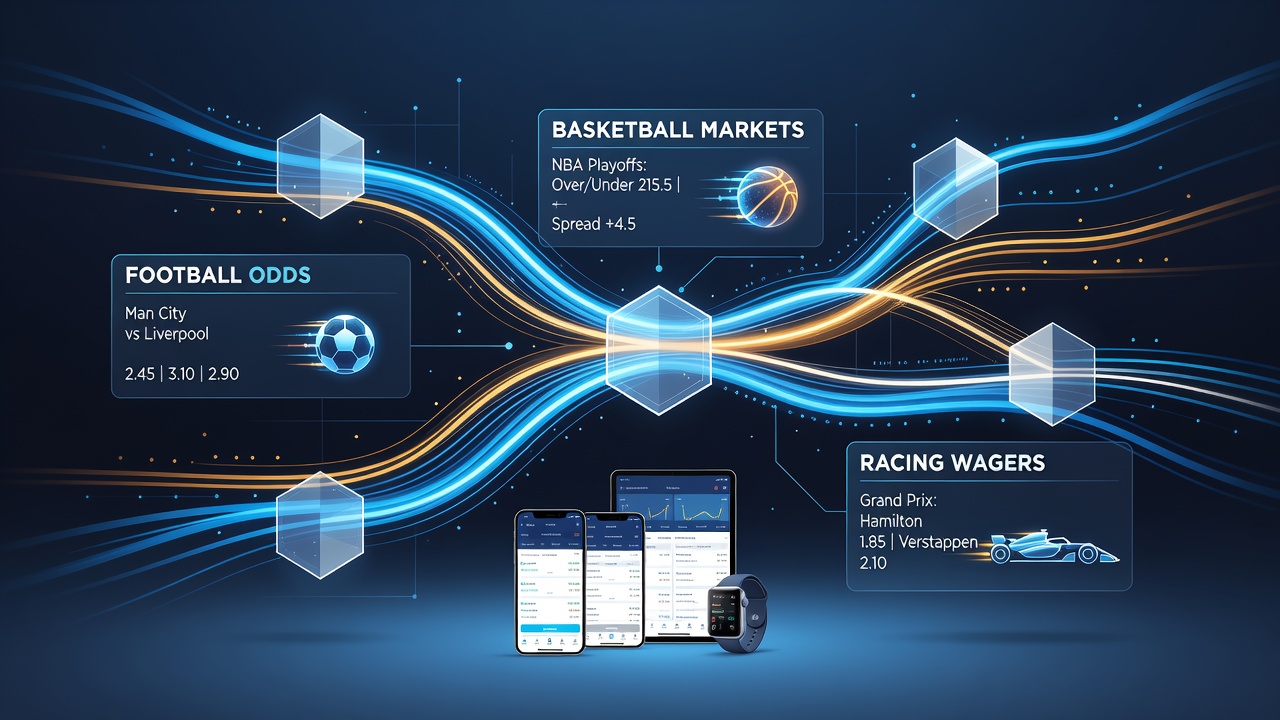
Digital Funding Networks Powering Rapid Shifts Across Multiple Betting Markets on Mobile Platforms
Portable devices now host interconnected funding channels that support quick transitions between football odds, basketball markets, and racing wagers through synchronized payment processors and wallet integrations. These networks operate via APIs that connect user accounts to multiple bookmakers simultaneously, allowing balance transfers in seconds rather than minutes during live events.
Data from industry reports shows transaction completion times averaging under four seconds when users move funds from one market category to another on major mobile applications. Such speed stems from standardized protocols adopted across operators in North America and Europe, where regulatory frameworks encourage secure real-time processing.
Core Mechanisms Behind Instant Market Switches
Payment gateways serve as the central hubs in these systems, routing requests between banking partners, digital wallets, and betting platforms without requiring separate logins for each category. Users select a funding source once, after which the network handles verification and transfer while displaying updated odds from football, basketball, or racing feeds. According to research published by the American Gaming Association, adoption of these unified gateways increased by 28 percent among mobile bettors between 2024 and 2025.
Wallet providers embed APIs that detect market changes and pre-authorize small transfers based on user preferences set in advance. This setup proves especially useful during overlapping schedules, such as NFL games running alongside NBA playoffs and thoroughbred meets in June 2026. Observers note that the architecture reduces friction by maintaining a single session token across different verticals.
Regional Adoption Patterns and Infrastructure Support
European operators lead in cross-market synchronization because of unified data standards developed under the European Gaming and Betting Association guidelines. North American platforms followed with similar integrations after state-level regulations clarified multi-sport account rules. Figures from a University of Nevada study on gambling technology indicate that 67 percent of surveyed mobile users in regulated U.S. markets performed at least one inter-category transfer weekly during peak seasons.
Australian systems add another layer through partnerships with local financial institutions that support instant bank transfers, allowing seamless movement between rugby league odds and harness racing pools on the same device. These connections rely on encrypted channels that comply with varying jurisdictional requirements without interrupting the user flow.
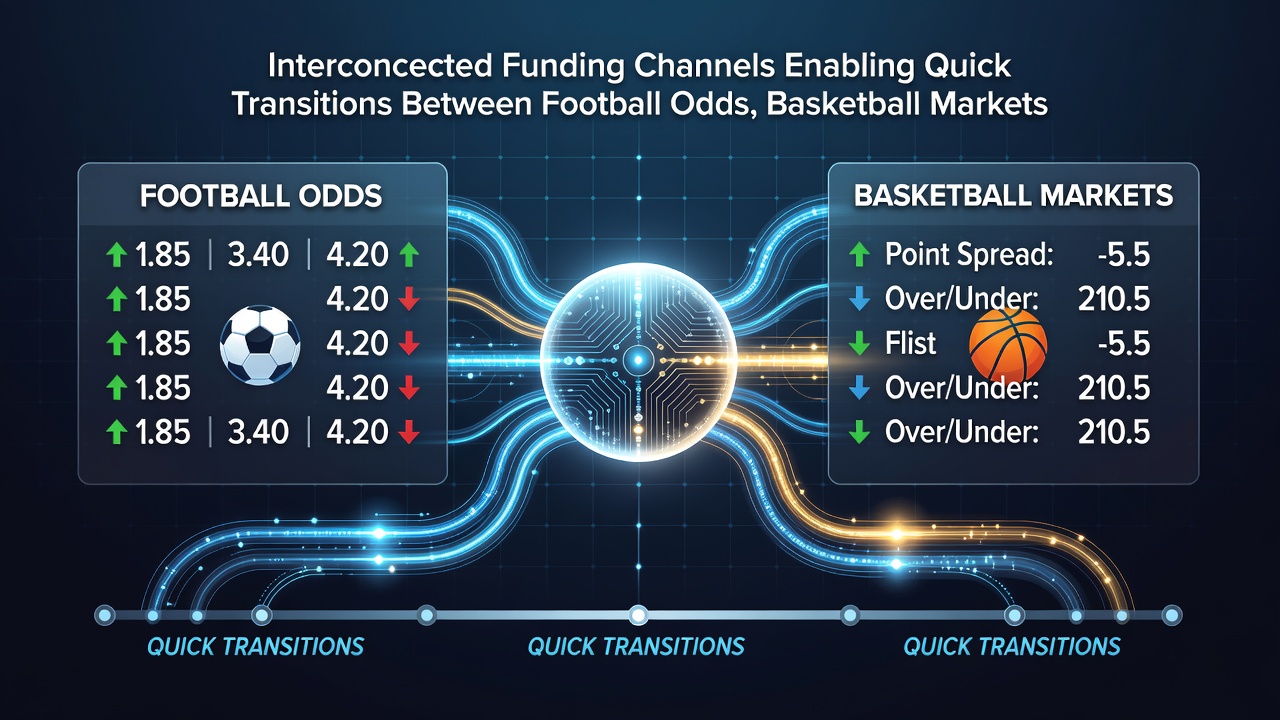
Impact on User Engagement During Multi-Event Periods
Live betting volumes rise when funding channels permit immediate reallocation of stakes. One analysis of transaction logs from 2025 revealed that bettors who utilized integrated wallets placed 1.8 times more wagers per session than those limited to single-market deposits. The pattern holds across football, basketball, and racing because the system updates available balances in real time as events progress.
June 2026 schedules feature dense calendars with international soccer tournaments, NBA finals, and major racing festivals occurring within the same weekends. Platforms equipped with these networks report higher retention rates because users can pivot between categories without exiting the application or waiting for external payment confirmations.
Security Protocols and Compliance Measures
Encryption standards and multi-factor authentication protect each transfer while maintaining speed. Regulatory bodies in Canada, including the Alcohol and Gaming Commission of Ontario, require audit trails for every cross-market movement, which developers satisfy through immutable ledgers embedded in the payment layer. Similar requirements appear in Singapore and Japan, where mobile betting growth has prompted updated security certifications.
Tokenization replaces sensitive account details during transfers, so operators never store full banking information. This approach aligns with global best practices and supports the rapid scaling observed in recent years.
Future Infrastructure Developments
Emerging technologies such as blockchain-based settlement layers and AI-driven fraud detection promise further reductions in latency. Pilot programs already test predictive funding suggestions that anticipate user shifts based on historical patterns across football, basketball, and racing markets. Continued collaboration between payment processors and betting platforms will determine how these networks evolve through the remainder of 2026 and beyond.
Conclusion
Interconnected funding channels have become standard infrastructure for mobile betting across football, basketball, and racing. Their ability to deliver instant transitions rests on coordinated APIs, regional regulatory support, and robust security measures that together create efficient pathways between distinct market types. As device capabilities and payment technologies advance, these systems will continue to shape how users navigate multiple betting verticals within single sessions.