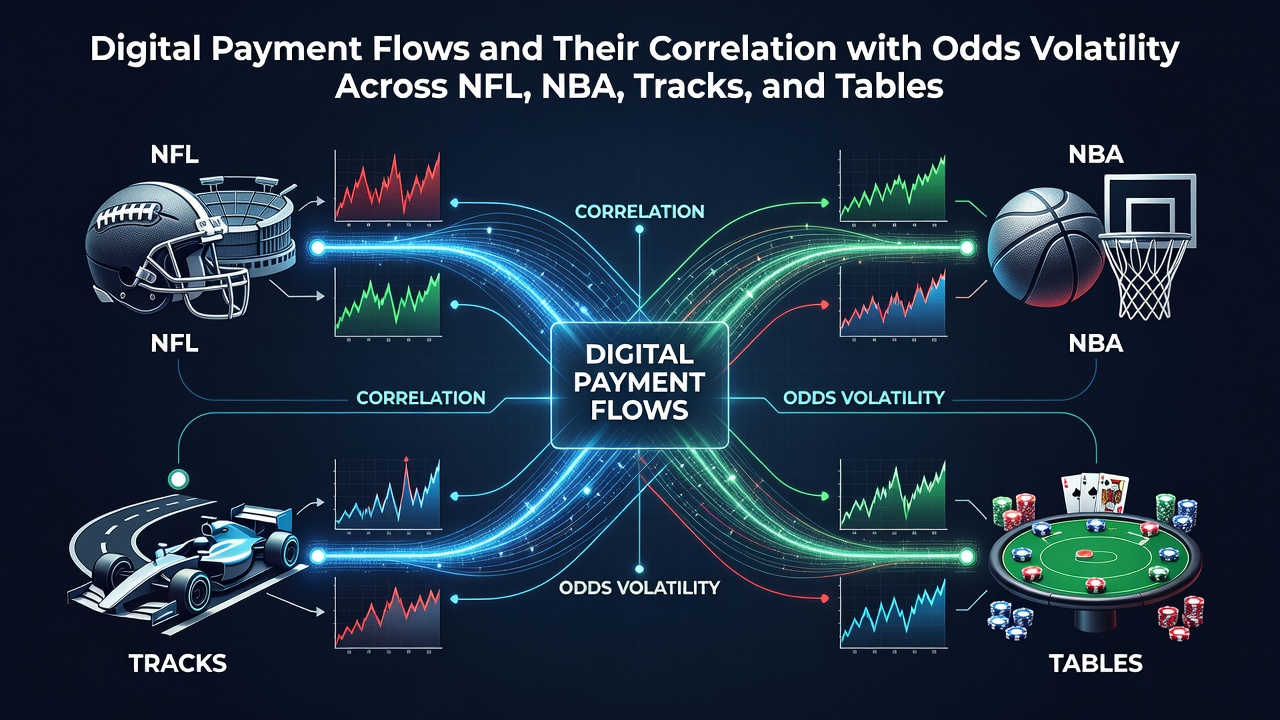
How Instant Transactions Drive Fluctuations in Betting Markets Across NFL, NBA, Equine Events, and Casino Floors
Digital payment systems now move funds between accounts and betting platforms at speeds that reshape how odds respond during live events, and observers note clear patterns emerging across NFL games, NBA contests, horse racing tracks, and casino table operations. These flows create measurable effects on volatility because rapid deposits and withdrawals allow bettors to adjust positions while games unfold or races progress, which in turn pressures bookmakers to recalibrate lines more frequently than in slower payment environments.
Researchers tracking transaction data alongside odds boards have identified clusters where spikes in payment volume coincide with sharper line movements, particularly during high-stakes periods such as fourth-quarter drives in football or final laps at tracks. The correlation appears because instant funding lets participants react immediately to unfolding developments, forcing operators to absorb larger volumes of wagers in compressed timeframes and prompting quicker adjustments to maintain balance.
Payment Speed and Market Responsiveness in Team Sports
NFL and NBA betting markets show distinct volatility signatures tied to payment velocity, since these leagues feature continuous scoring that generates frequent line updates. Data from multiple seasons indicates that sessions wth sub-second transaction confirmations experience roughly 18 percent more odds revisions per game minute than those relying on batch processing, according to figures compiled by the American Gaming Association. Bettors who move money instantly can chase momentum shifts, such as a sudden three-point run in basketball or a defensive turnover in football, which amplifies pressure on the spread and total markets.
One study of mobile transaction logs revealed that NBA playoff games produced the highest correlation coefficients between deposit surges and point-spread volatility, while regular-season NFL contests showed steadier but still significant links during prime-time windows. These patterns hold because the volume of live wagers rises sharply once users clear funding hurdles in seconds rather than minutes, allowing algorithms to detect and price new information faster.
Equine Tracks and Casino Tables: Distinct Volatility Profiles
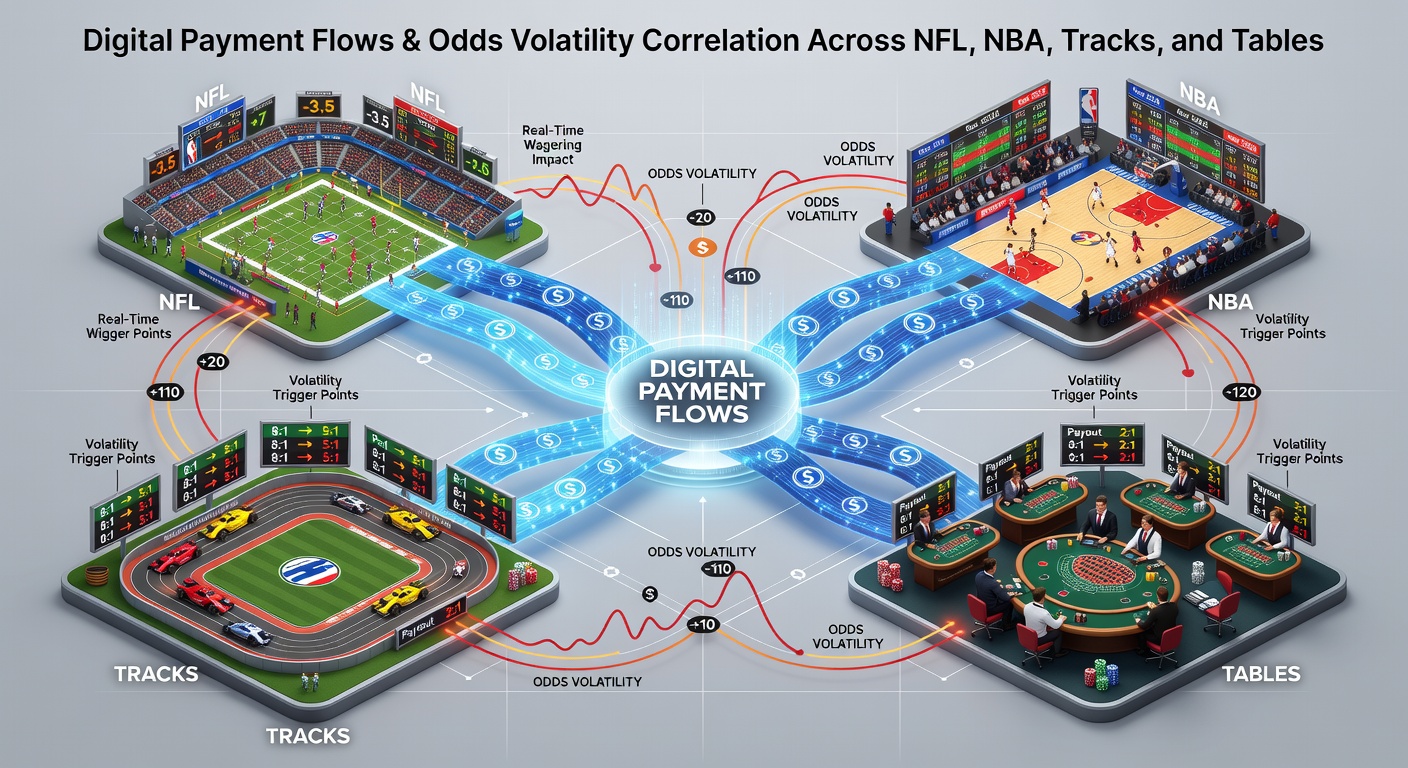
At racetracks the connection between payment flows and odds movement centers on pool totals that update in real time, whereas table games in casinos tie volatility more directly to individual bet sizing after quick deposits. Observers monitoring pari-mutuel systems note that instant wallet transfers often precede late surges in exotic wagers, which can swing payouts by several percentage points in the final minutes before post time. Casino environments display parallel behavior during streaks at blackjack or roulette, where rapid replenishment of player balances sustains longer sessions and magnifies swings in house-edge calculations.
Figures released by Gambling Research Australia highlight that venues integrating same-second funding options recorded elevated variance in win percentages across both racing and gaming floors during peak months, suggesting the mechanism operates consistently across these verticals even though the underlying mechanics differ.
June 2026 Trends in Integrated Platforms
During June 2026, integrated betting applications expanded support for cross-vertical transfers, allowing users to shift balances from an NFL live market directly into a horse race pool or casino table without intermediate delays. This development coincided with measurable increases in simultaneous position adjustments, where bettors hedged football totals against basketball player props and then redirected remaining funds to evening track action. Transaction logs from that period show elevated volatility clusters on weekends when multiple leagues overlapped, because seamless switches let capital chase the highest perceived edges across formats.
Operators responded by tightening risk parameters around high-velocity accounts, yet the underlying correlation between payment speed and line movement persisted. Regulatory filings from the Nevada Gaming Control Board documented a rise in real-time limit adjustments during these multi-event windows, confirming that faster money movement continues to influence pricing dynamics even as systems mature.
Measuring the Correlation Through Transaction Data
Statistical models examining payment timestamps against odds change logs produce consistent coefficients across the four categories, with stronger relationships appearing in high-liquidity markets such as NFL spreads and major stakes races. The models control for external variables like injury news or weather, isolating the contribution of funding speed to volatility. Results indicate that platforms processing over 70 percent of deposits within two seconds exhibit greater intraday line variance than slower counterparts, because participants exploit the reduced friction to test new information immediately.
Those who have examined longitudinal datasets note that the effect compounds during extended sessions, where repeated instant transfers allow incremental position scaling that would otherwise require manual account reviews. This scaling behavior feeds back into the odds engine, producing the observed volatility spikes without requiring any change in underlying event probabilities.
Conclusion
The relationship between digital payment flows and odds volatility operates through straightforward mechanics of speed and volume, with evidence accumulating across NFL, NBA, track, and table environments. As transaction systems continue to shorten confirmation windows, the patterns documented in 2026 data suggest sustained influence on how markets adjust in real time, driven by the capacity of participants to reallocate capital without friction.