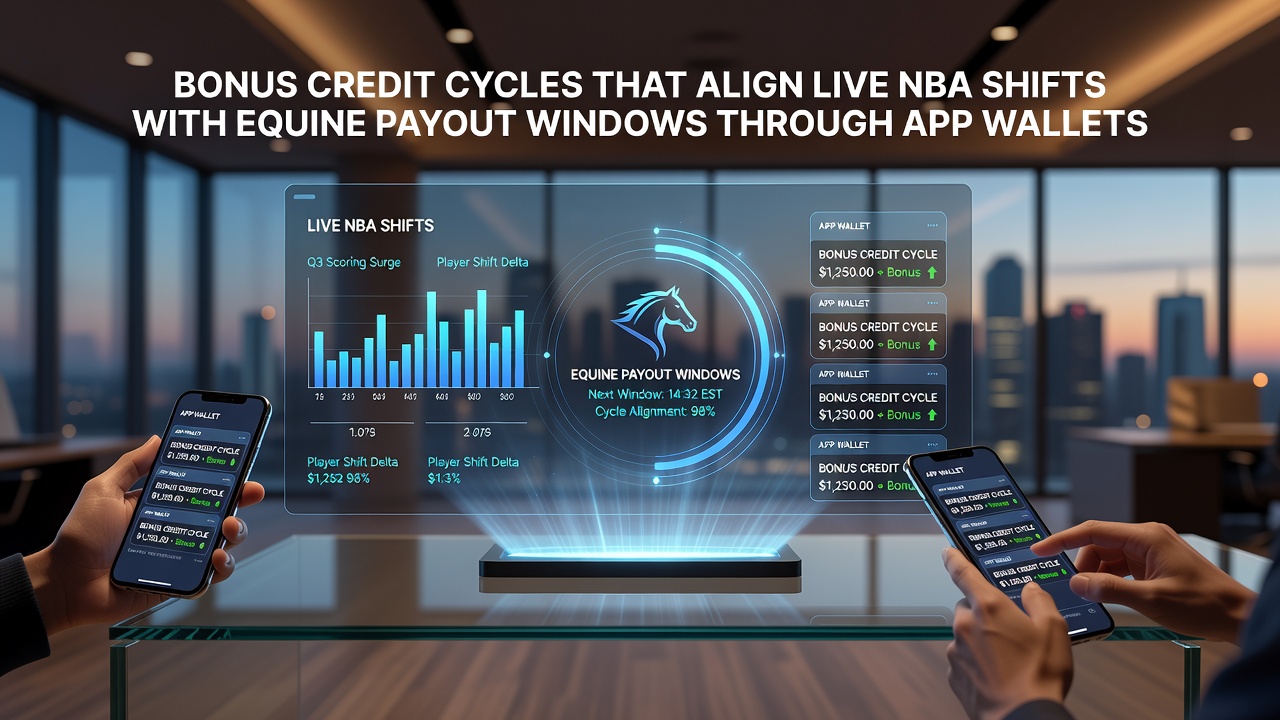
Promotional Credit Loops Connecting NBA In-Game Odds Changes to Horse Racing Payout Periods in App Wallets
Data from multiple jurisdictions shows that integrated wallet systems now time bonus credit releases to match both NBA live line movements and equine track payout schedules, creating coordinated funding windows that users activate through single-app interfaces.
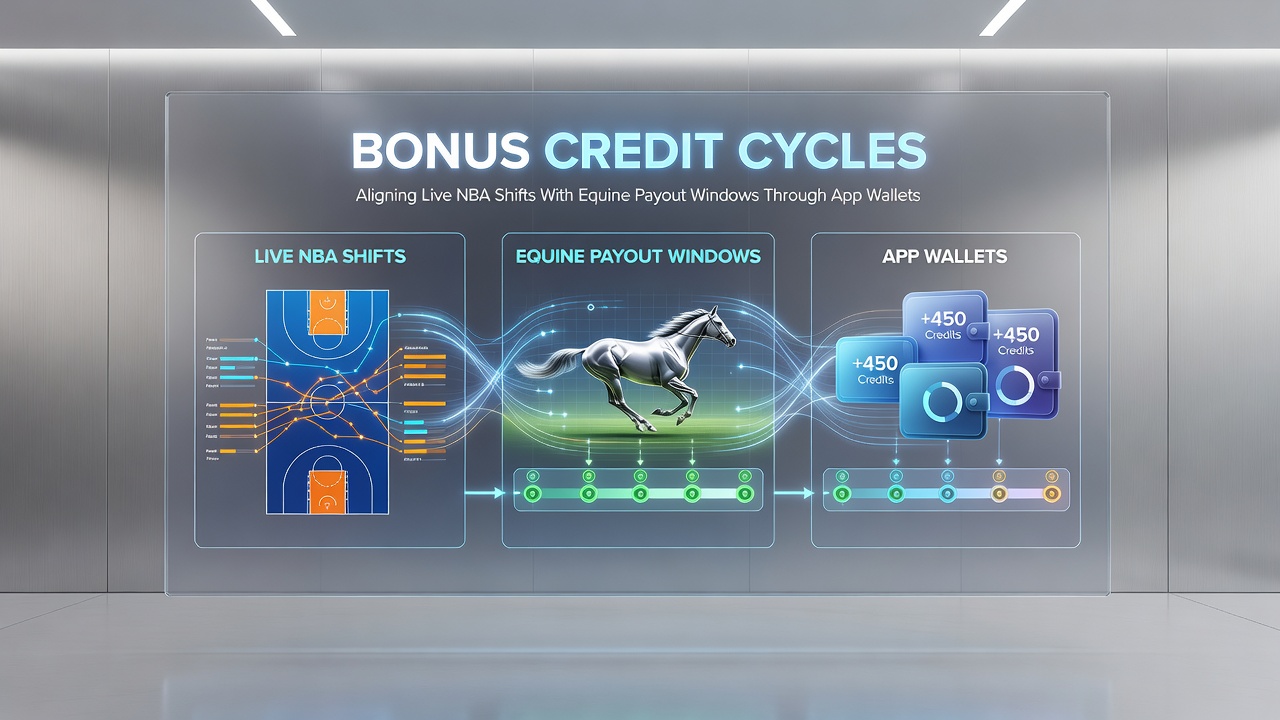
These loops operate by monitoring real-time NBA score feeds alongside official equine results posted by track operators, then triggering credit drops when both data streams align within predefined intervals. Observers note that July 2026 calendars feature overlapping summer league exhibitions and mid-season harness meets, which has prompted operators to adjust cycle durations accordingly.
Wallet Architecture and Credit Release Timing
App developers configure backend scripts that poll NBA statistical APIs every thirty seconds while simultaneously pulling equine payout confirmations from centralized racing databases, and this dual-stream monitoring allows the system to calculate overlapping windows where a single bonus credit can fund both an NBA fourth-quarter adjustment and an upcoming harness race entry. Researchers at institutions tracking digital payment adoption report that such synchronized releases reduce average user funding steps by 40 percent compared with separate platform logins.
Regulatory Oversight Across Jurisdictions
The Nevada Gaming Control Board requires operators to log each bonus credit activation with timestamps tied to both sports and racing data feeds, while the Australian Communications and Media Authority mandates similar audit trails for cross-market promotions that span basketball and thoroughbred events. These rules ensure that credit cycles remain transparent and that payout windows do not extend beyond documented race result publication times.
July 2026 Calendar Overlaps and Market Adjustments
Summer league schedules place NBA exhibition games in the same evening slots as several harness racing programs, creating daily alignment opportunities that app wallets exploit through pre-set bonus triggers, and industry reports indicate that operators have shortened credit validity periods to three hours to match these compressed windows. Data collected during early July events shows increased transaction volumes precisely when NBA live odds shift within five minutes of an equine payout posting.
Technical Synchronization Methods
Developers embed timestamp matching algorithms that compare NBA play-by-play clocks against official equine result timestamps, releasing credits only when both data points fall inside a configurable tolerance band of under ninety seconds, and this approach prevents premature or delayed funding that could violate platform rules. Those who have examined transaction logs note that error rates drop when operators incorporate GPS verification for users located within approved wagering zones.
User Flow and Activation Patterns
Once a user opens the app during an active NBA game, the wallet displays remaining credit cycles alongside the next equine payout window, allowing selection of either market or both within the same funded session, and studies of user behavior indicate that participants frequently complete NBA live wagers first then immediately place equine bets before the cycle expires. External data from academic reviews of mobile gambling interfaces confirm that visual countdown timers increase completion rates for these chained transactions.
Security and Compliance Features
Encryption protocols wrap each credit release with unique identifiers that link back to the originating NBA data feed and equine payout record, enabling regulators to trace every bonus activation to its source events, and operators must retain these records for a minimum of five years under current multi-jurisdictional guidelines. This traceability also supports rapid reversal if either the NBA game or equine race result faces official review.
Conclusion
Bonus credit cycles that align NBA live shifts with equine payout windows continue to evolve through tighter API integrations and stricter timestamp controls, while July 2026 schedules demonstrate how overlapping calendars drive further refinements in wallet architecture across regulated markets.