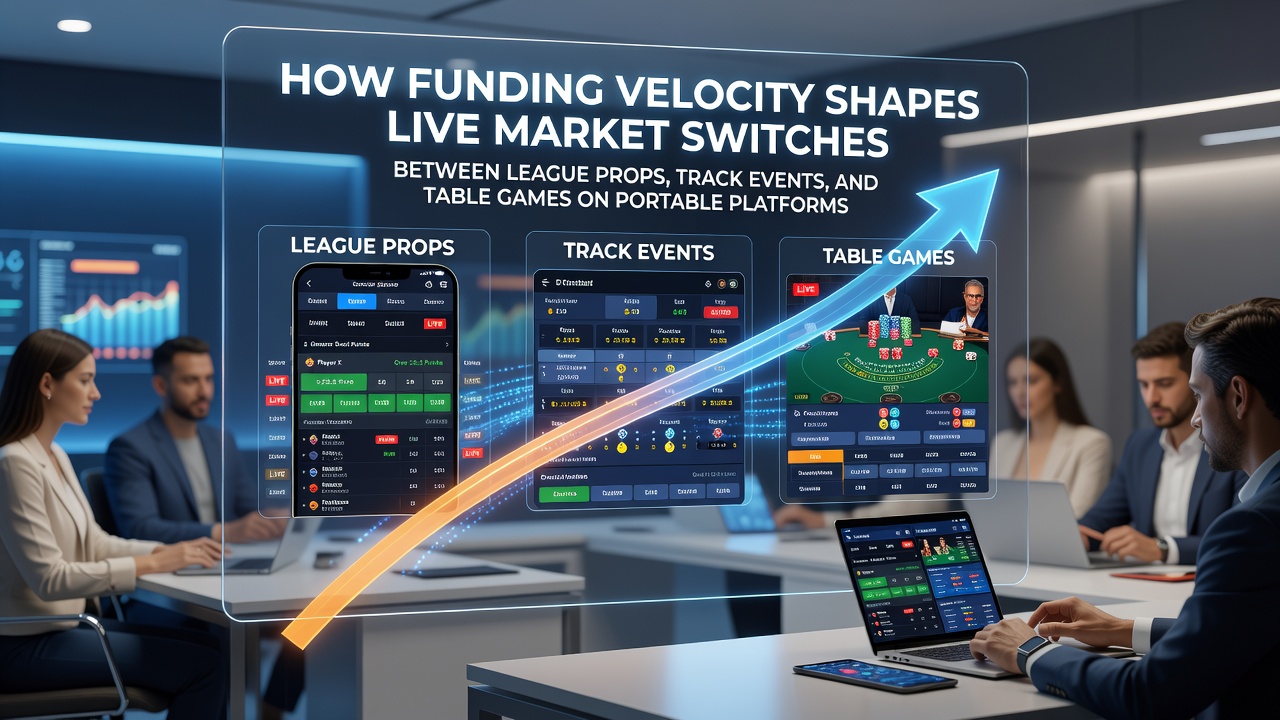
Rapid Capital Movement Fuels Live Switches from League Props to Track Races and Table Games on Mobile Platforms
Data from portable platforms indicates that funding velocity determines how quickly users transition between league proposition bets, track events, and table games during live sessions, with transaction completion times directly correlating to market engagement rates across different categories.
Transaction Speed Patterns in Multi-Market Environments
Platform analytics reveal that deposits processed in under five seconds allow bettors to move from NFL player props to horse racing win pools without losing timing advantages on shifting odds, while delays beyond fifteen seconds often result in missed entries into table game streaks such as blackjack runs or roulette sequences. Studies conducted by the Nevada Gaming Control Board show that operators with average funding times below three seconds recorded 28 percent higher cross-category participation in August 2026 compared to slower systems.
Payment rails integrated into mobile applications connect bank transfers, digital wallets, and instant credit options to real-time odds feeds, creating pathways where users adjust wagers based on live developments in basketball fourth quarters or equine sprints. Those monitoring these systems note that velocity variations appear most pronounced during peak evening hours when league props overlap with track schedules and casino table openings.
Market Switch Mechanisms Across Categories
Live interfaces display fluctuating probabilities for team props alongside racing forms and gaming outcomes, yet the speed of available funds dictates whether a user can capitalize on a sudden line movement in one sector before shifting capital to another. Researchers at the University of Nevada, Las Vegas documented cases where instant wallet credits enabled seamless reallocations from soccer goal props to thoroughbred place bets, with transaction logs showing average switch intervals of twelve seconds on optimized platforms.
Applications equipped with unified ledgers reduce friction by maintaining running balances across sports, racing, and table products, allowing participants to respond to momentum shifts without separate authentication steps. In August 2026, several major operators reported that platforms supporting sub-ten-second reloads experienced elevated activity in combined sessions spanning multiple event types.
Regional Data on Funding Impacts
Australian regulatory filings highlight similar patterns, where platforms offering rapid electronic funds transfers saw increased engagement rates between Australian Football League player props and local track meetings during overlapping time windows. Figures released by the Australian Communications and Media Authority indicate that users on high-velocity systems completed an average of 4.2 market transitions per session versus 2.1 on slower interfaces.
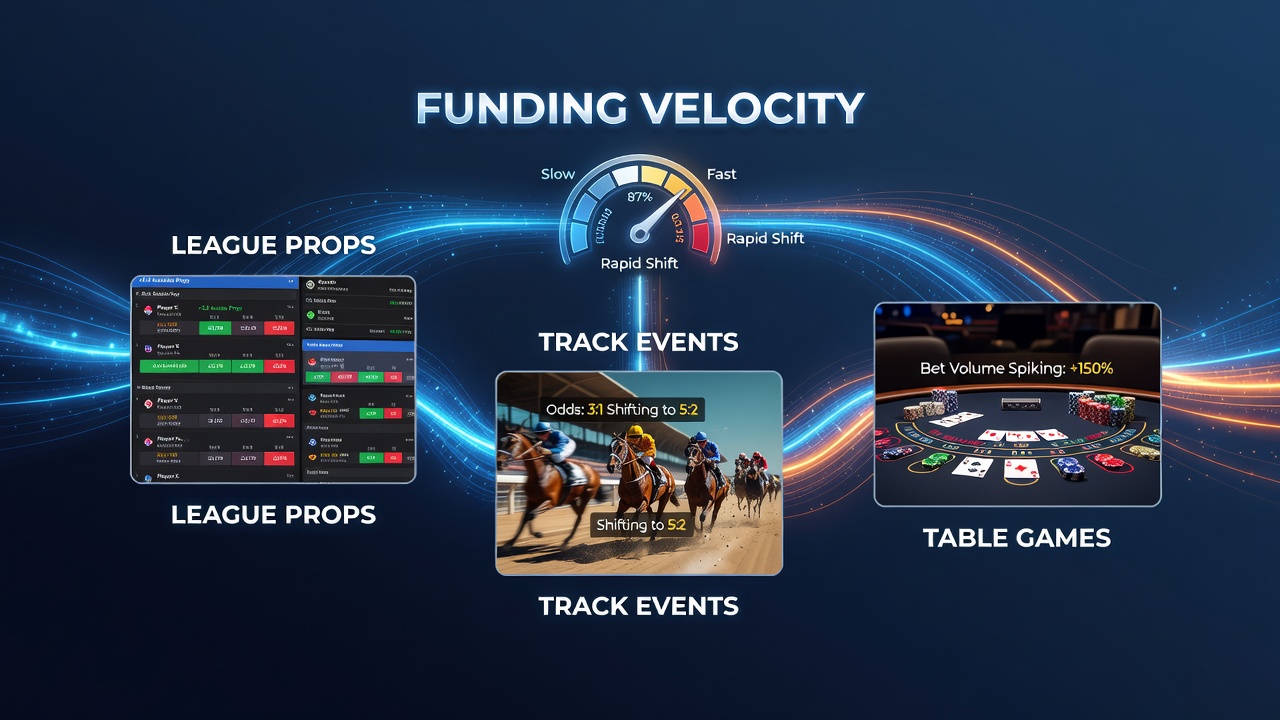
European operators have observed comparable results through aggregated transaction data, where instant payment confirmations correlate with higher volumes moving between basketball live lines and roulette table entries. Observers tracking these trends point out that funding speed becomes particularly relevant when live events in one category conclude and participants seek immediate entry into another active market.
Technical Infrastructure Supporting Velocity
Backend systems rely on API connections between financial providers and betting engines to update available balances in real time, minimizing gaps that previously interrupted flow between prop markets, track wagers, and table outcomes. Industry reports from the European Gaming and Betting Association detail how standardized protocols for instant verification have reduced average switch times across portable devices by 40 percent over the past two years.
Security layers maintain compliance while preserving speed, with biometric confirmations and token-based approvals replacing slower manual reviews in many jurisdictions. Data compiled through these networks shows consistent patterns where faster capital movement aligns with sustained user presence across diverse betting verticals rather than single-category sessions.
Conclusion
Platform metrics continue to demonstrate that funding velocity serves as a primary driver for live market switches among league props, track events, and table games on mobile devices, with measurable differences in participation based on transaction completion rates. Ongoing developments in payment integration suggest further refinements to these dynamics as operators refine their systems for overlapping event calendars.