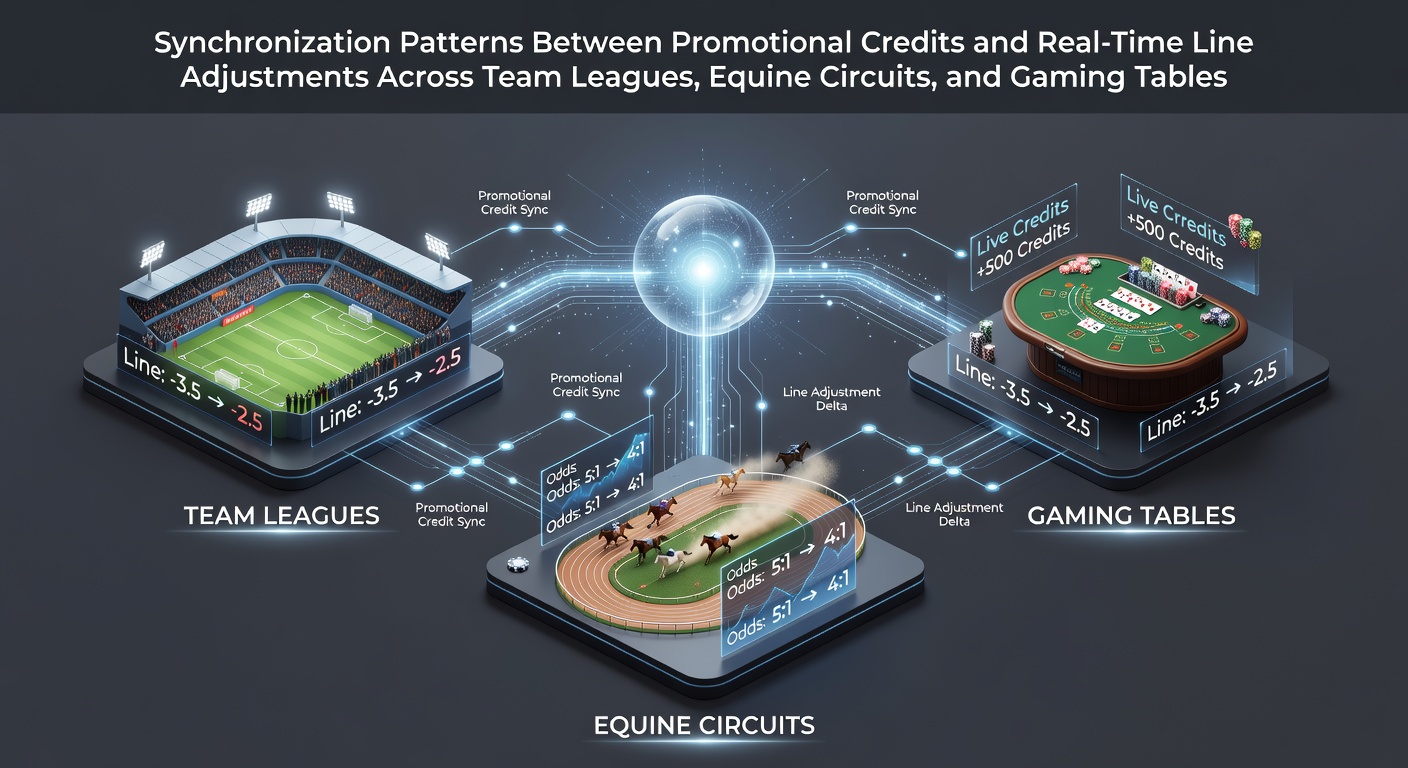
Synchronization Patterns Between Promotional Credits and Real-Time Line Adjustments Across Team Leagues, Equine Circuits, and Gaming Tables
Observers note that promotional credits often align with real-time line adjustments through automated systems that update across multiple betting verticals simultaneously, and these patterns emerge when operators adjust odds in response to incoming wagers while simultaneously releasing bonus funds to user accounts. Data from industry monitoring shows that such synchronization occurs most frequently during overlapping event windows where team league games, equine races, and table game sessions run in parallel, which allows platforms to distribute credits at the exact moments when probabilities shift due to new information like player injuries or track conditions.
Core Mechanisms Driving Alignment
Research indicates that backend algorithms monitor both credit ledgers and probability models in unified databases, so when a line moves by a specified threshold the system triggers credit releases to maintain user engagement levels. According to figures from the American Gaming Association, these triggers activate within milliseconds in many integrated platforms, which reduces the lag between an odds change and the appearance of available bonuses in user interfaces. Those who study these systems report that the process relies on timestamped event feeds from league data providers, racing authorities, and casino floor management software, while conjunctions between these feeds determine whether a credit applies to a specific market or rolls over to another vertical.
What's interesting is how equine circuits introduce additional variables because race odds fluctuate with late scratches and weather data, yet the same credit synchronization rules apply when operators link those adjustments to ongoing team league props. Studies reveal that gaming tables add another layer since dealer decisions and card counts create micro-adjustments that platforms capture and pair with promotional triggers, creating a continuous loop where credits appear right as table limits or payouts recalibrate.
Patterns Observed in June 2026 Scheduling Overlaps
During June 2026, calendar data shows concentrated periods when NBA finals, major racing meets, and casino tournament series coincide, and operators respond by tightening the links between credit distribution and line movements. Evidence suggests that platforms increase the frequency of these synchronized releases during such windows because user activity spikes across verticals at once, which in turn generates more data points for refining the underlying algorithms. One pattern that emerges involves tiered credits that unlock only after a line adjustment meets predefined criteria, such as a point spread crossing a key number in team leagues while a simultaneous horse race sees a favorite drift in the betting pools.
Integration Across Verticals
Those who've examined transaction logs note that seamless wallet integrations allow credits earned from one vertical to apply instantly to another when lines adjust in real time, and this cross-vertical movement follows rules set by regulatory frameworks in multiple jurisdictions. Reports from the European Gaming and Betting Association highlight how such integrations maintain compliance by logging each synchronization event with unique identifiers, which helps auditors trace how promotional funds connect to specific line changes without violating spending caps or eligibility rules.
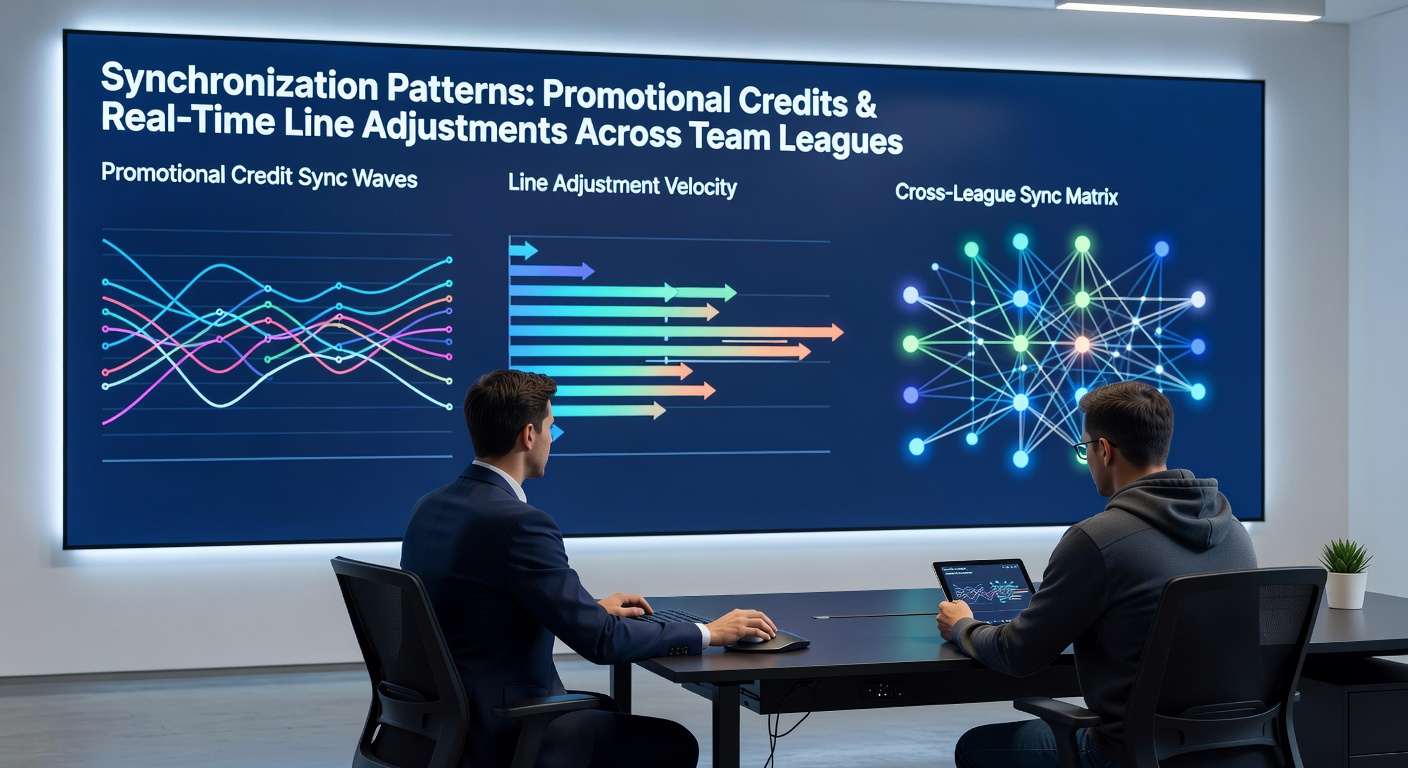
But here's the thing: when equine circuits experience rapid line shifts due to post-position draws or equipment changes, the same credit systems often mirror those movements by adjusting bonus multipliers available on linked team league markets. Observers note that this mirroring effect extends to gaming tables where streak-based adjustments, such as progressive side bets, trigger parallel credit offers that users can apply to basketball or football props still in progress.
Data Patterns and Adjustment Triggers
Academic analyses of betting platform datasets indicate that synchronization density peaks when multiple events cross key statistical thresholds at once, and these thresholds include score differentials in team leagues, pace figures in horse racing, and hand totals at tables. Figures reveal that platforms using machine learning models achieve tighter alignment between credit releases and line movements compared to rule-based systems alone, because the models learn from historical overlap patterns across seasons. In June 2026 environments, where international racing festivals overlap with league playoffs and casino promotions, these models process higher volumes of simultaneous feeds, which leads to more granular credit applications tied directly to individual line ticks rather than broad market sweeps.
What's significant is the role of payment rail timing in reinforcing these patterns, since instant funding options allow users to deploy newly synchronized credits before the next line adjustment occurs. Industry reports show that platforms with sub-second settlement capabilities maintain higher synchronization accuracy because delays in credit availability can cause users to miss the window created by a fresh odds movement.
Conclusion
Patterns of synchronization between promotional credits and real-time line adjustments continue to evolve as operators refine their data connections across team leagues, equine circuits, and gaming tables. Evidence from regulatory monitoring and platform analytics demonstrates that these alignments depend on unified event feeds, algorithmic triggers, and compliance logging that together support coordinated credit distribution during periods of high market activity. As June 2026 calendars illustrate ongoing overlaps, the mechanisms described here provide the factual framework for understanding how such synchronization operates across the described sectors.