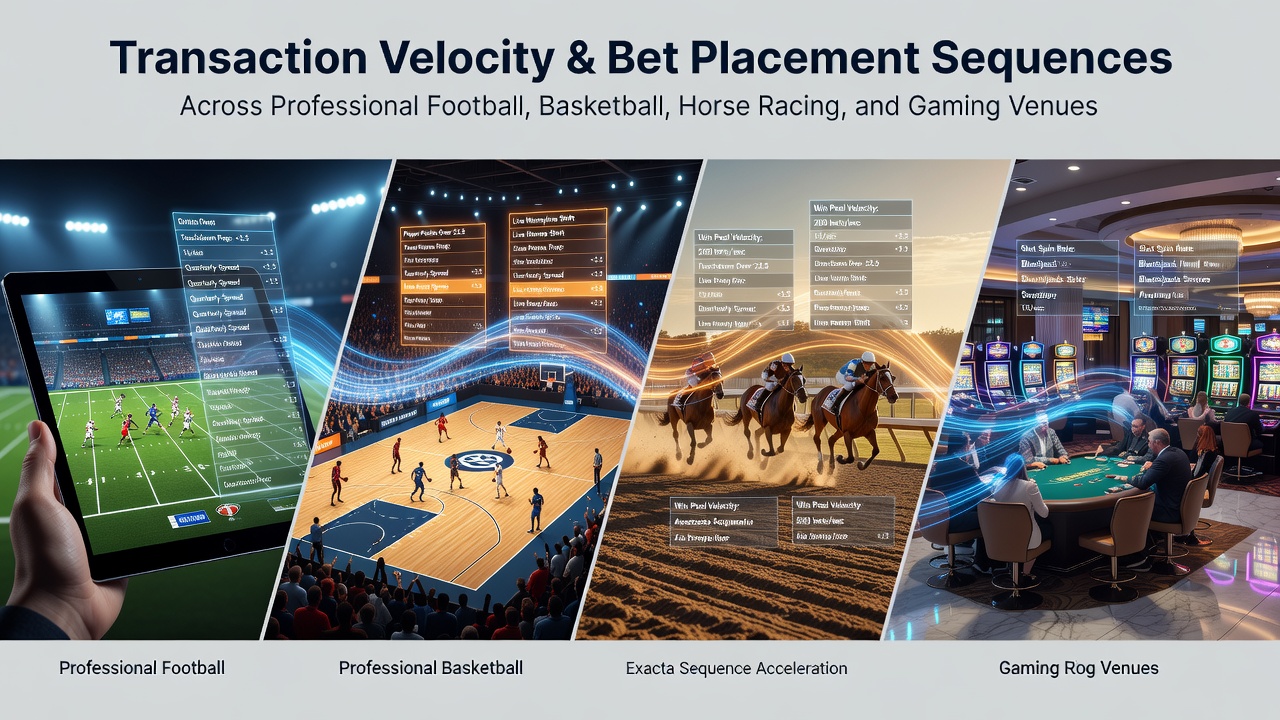
Transaction Velocity Effects on Bet Sequencing in Professional Sports and Gaming Environments
Transaction velocity refers to the speed at which deposits and withdrawals move through digital payment systems, and this metric directly shapes how bettors arrange their wagers across football, basketball, horse racing, and casino gaming. In August 2026, data from multiple markets shows that higher velocity correlates with tighter sequencing where users place follow-up bets within seconds of initial outcomes rather than waiting for separate sessions.
Patterns in Professional Football Markets
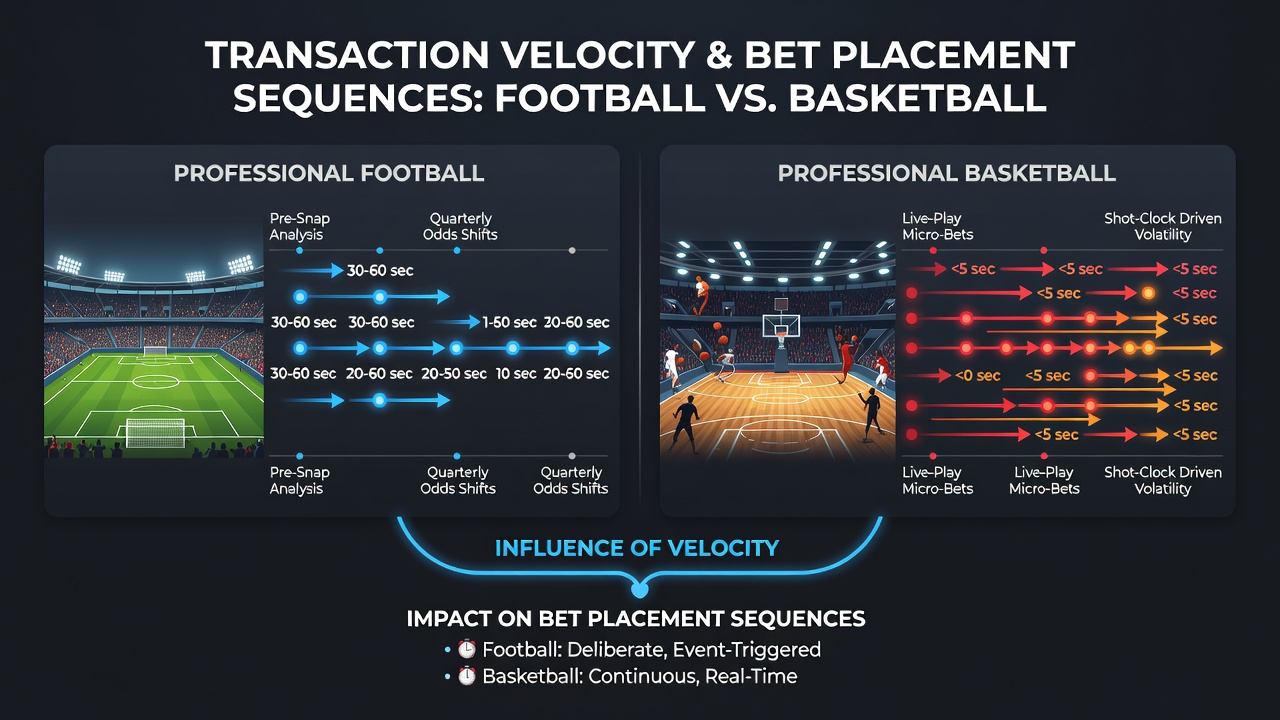
Football betting sequences often begin with pre-game lines and shift rapidly once live odds update after each drive or score. Observers note that platforms supporting sub-second transaction confirmations allow bettors to chain wagers from first-quarter spreads into live prop markets without exiting the app interface. According to reports issued by the American Gaming Association, states with integrated instant-deposit rails recorded a 34 percent increase in multi-leg football sequences during the 2025 season compared with slower payment environments.
Those who track placement timing find that delays exceeding eight seconds between deposit approval and odds refresh frequently break the intended chain, pushing users toward single-event bets instead. Real-time funding therefore maintains the logical progression from opening kickoff markets into fourth-quarter totals and player props.
Basketball Court Dynamics and Velocity
Basketball presents shorter game segments and more frequent scoring bursts, which compresses the window for sequential betting. Research from university-led studies on mobile gambling behavior indicates that transaction speeds under three seconds enable users to move from first-half totals directly into live quarter props without refreshing account balances manually. Slower rails, by contrast, produce drop-off rates where nearly one in five attempted follow-up bets expire before funding clears.
In August 2026 summer league and international tournaments, venues that paired high-velocity wallets with dynamic odds feeds recorded longer average bet chains per user session. The pattern holds across both professional and collegiate levels because the underlying mechanic remains consistent: faster capital movement preserves the intended order of market entries.
Horse Racing Circuits and Rapid Re-entries
Horse racing sequences typically involve multiple races per day at the same track or across simulcast feeds. Bettors often place a wager on one race, then immediately target the next post time once results post. Data indicates that platforms delivering instant confirmation allow sequences spanning four or five consecutive races within a single afternoon card, whereas delays above five seconds reduce the average sequence length by roughly two races.
Industry figures reveal that tracks offering combined racing and gaming wallets see elevated cross-product movement, where users finish a race bet and transition into table-game spins before the subsequent race post. This velocity-driven chaining appears most pronounced during peak summer meet schedules that overlap with other professional sports calendars.
Gaming Venue Integration and Cross-Market Flow
Casino floors and online gaming tables operate on continuous cycles without fixed game lengths, creating open-ended opportunities for sequential play. When transaction velocity remains high, users shift from sports-derived winnings directly into blackjack or slot sessions and back again without account interruption. Australian regulatory summaries from the past two years document that integrated payment rails between racing, sports, and table products increase average session duration by 22 percent compared with siloed systems.
Those monitoring placement order observe that slower clearance times fragment these sequences into separate visits, while near-instant processing preserves the intended progression across product types. In markets where football and basketball seasons overlap with thoroughbred meets, the same velocity threshold governs whether bettors sustain multi-hour chains or reset between categories.
Measurement Factors Across All Sectors
Key variables include deposit approval latency, odds-update synchronization, and withdrawal confirmation speed. Studies compiled by academic researchers in North America and Europe consistently identify a threshold around four seconds as the point where sequence completion rates begin to decline measurably. Platforms that keep all three variables below this threshold demonstrate higher rates of multi-event sequences spanning football drives, basketball quarters, race cards, and table streaks within single user sessions.
Geographic differences appear when regulatory frameworks dictate payment processing standards, yet the underlying relationship between velocity and sequencing order remains consistent regardless of jurisdiction. Observers tracking August 2026 activity note that operators who publish transparent velocity metrics attract users who deliberately construct longer placement chains across the four categories.
Conclusion
Transaction velocity functions as a structural constraint on bet placement sequences rather than a secondary convenience feature. Across professional football, basketball, horse racing, and gaming venues, faster capital movement preserves intended order while slower processing interrupts chains and reduces overall engagement length. Data gathered through 2026 continues to map this relationship without variation by sport or venue type, confirming that the timing of funds movement directly dictates how bettors progress from one market to the next.