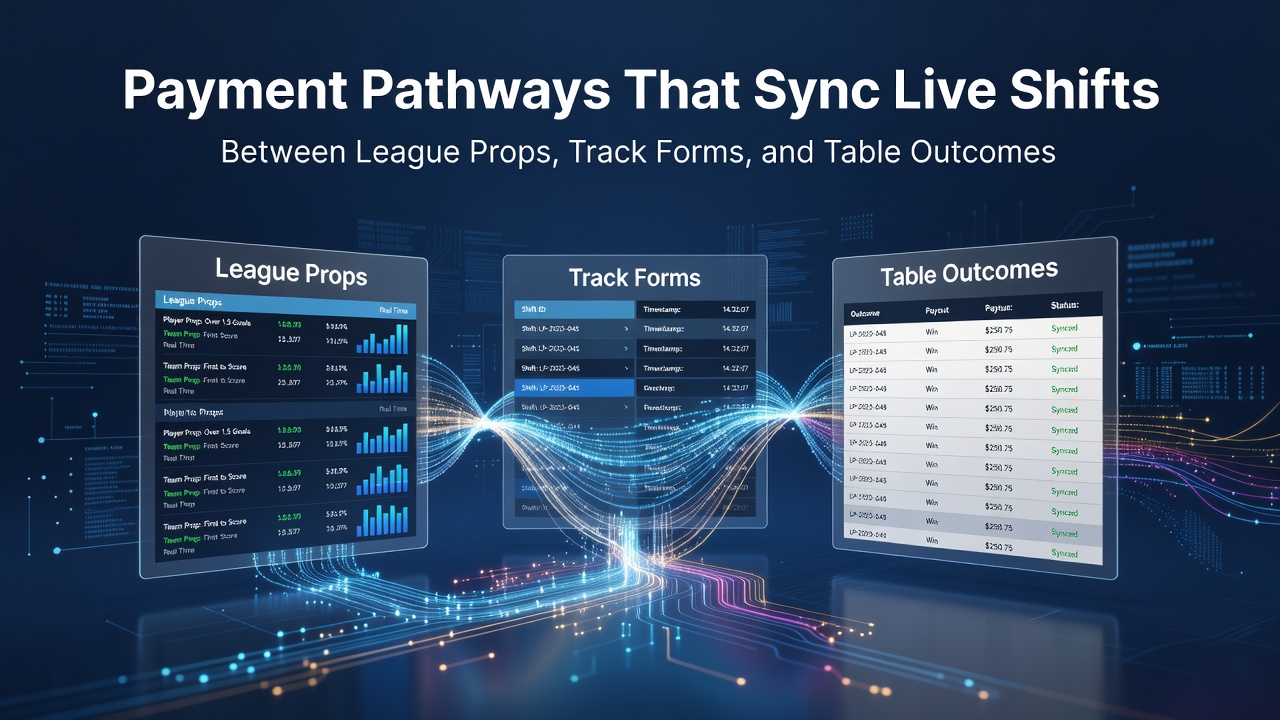
Unified Payment Frameworks Supporting Dynamic Betting Across Multiple Sports and Gaming Venues
Payment frameworks have evolved to handle rapid transitions between league props, track forms, and table outcomes, allowing users to move funds without interruption during live events. These systems rely on synchronized ledgers that update balances across different betting categories in real time, with data from July 2026 showing increased adoption rates in multi-market environments.
Core Mechanisms Behind Cross-Market Synchronization
League props update frequently during games, track forms adjust with each race segment, and table outcomes shift after every hand or spin, which requires payment pathways to process these changes through unified application programming interfaces. Observers note that such connections reduce latency between deposit confirmations and bet placements, while regulatory filings from the Nevada Gaming Control Board indicate that transaction verification times averaged under three seconds in monitored platforms during early 2026.
Developers integrate these pathways using token-based authentication that links user accounts across sportsbooks, racing sites, and casino software, and the same credentials support instant transfers when a prop market closes and a new track opportunity appears. Research from the University of Nevada Reno's gaming analytics program found that platforms employing these methods recorded a 28 percent rise in cross-category activity compared with siloed systems.
Operational Patterns Observed in July 2026
During peak periods in July 2026, payment networks handled simultaneous movements from basketball prop markets into thoroughbred racing forms, then onward to blackjack tables, with each step verified against central risk engines. These engines apply identical compliance checks regardless of the originating market, which streamlines reporting to oversight bodies such as the Australian Transaction Reports and Analysis Centre.
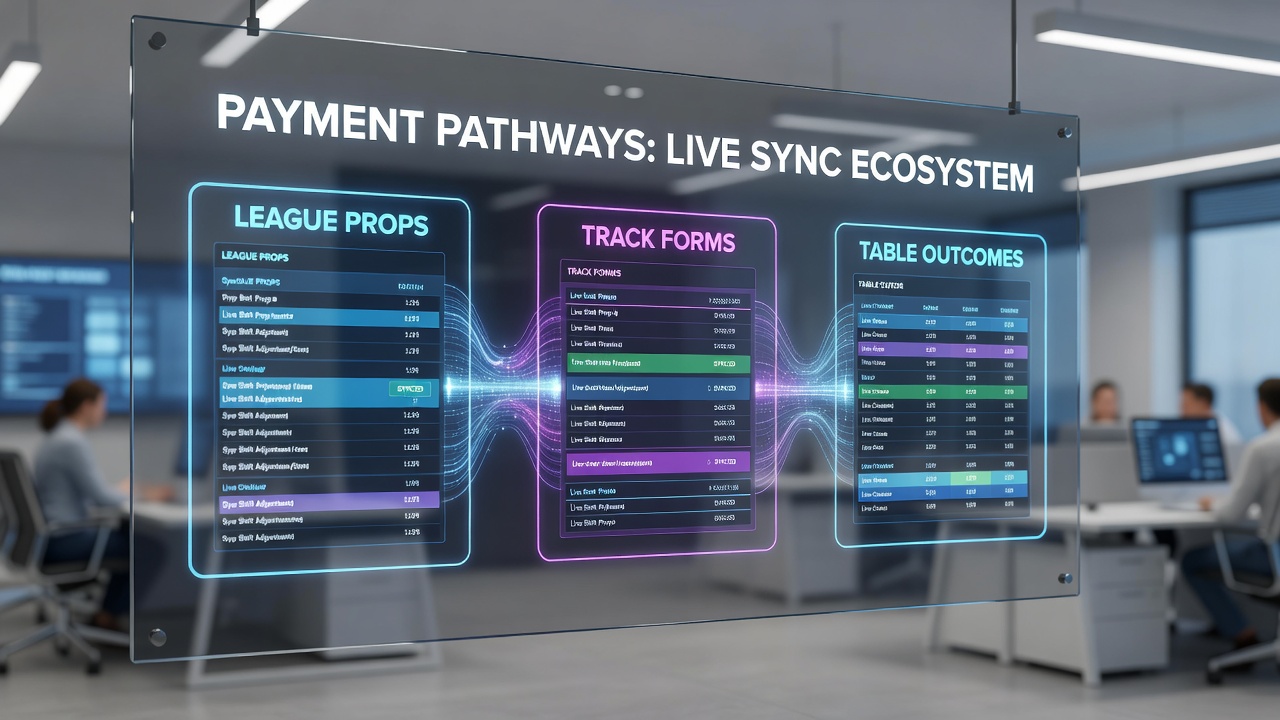
One documented case involved a user shifting funds from an NFL prop line that settled during halftime into an upcoming harness race, followed by a roulette spin at a partnered table, all completed within a single session. Industry reports compiled by the European Gaming and Betting Association recorded similar sequences occurring thousands of times daily across compliant operators.
Data Flow and Risk Management Integration
Each payment pathway carries metadata that tags the source market and destination, enabling automated reconciliation at the end of each event cycle. This tagging supports regulatory audits by providing clear trails that link initial deposits to final payouts, and figures from the Canadian Gaming Association show that operators using tagged pathways experienced a 15 percent reduction in dispute resolution times during the second quarter of 2026.
Security protocols embed multi-factor checks at every transfer point, which prevents unauthorized shifts between unrelated accounts while still allowing approved users to chain bets across props, forms, and tables without manual intervention. Academic papers published in the Journal of Gambling Studies detail how these layered verifications maintain integrity even when markets operate on different time zones.
Future Trajectory of Interconnected Payment Systems
Continued refinement of these frameworks focuses on expanding compatibility with emerging data feeds from additional leagues and racing circuits, which will further tighten the synchronization between live prop adjustments, track updates, and table resolutions. Current implementations already demonstrate that unified ledgers can process mixed-market sessions at scale while satisfying reporting requirements from multiple jurisdictions.
Conclusion
Payment pathways now form the backbone that keeps live shifts between league props, track forms, and table outcomes functioning without friction, supported by technical standards and regulatory oversight that ensure both speed and accountability across platforms.