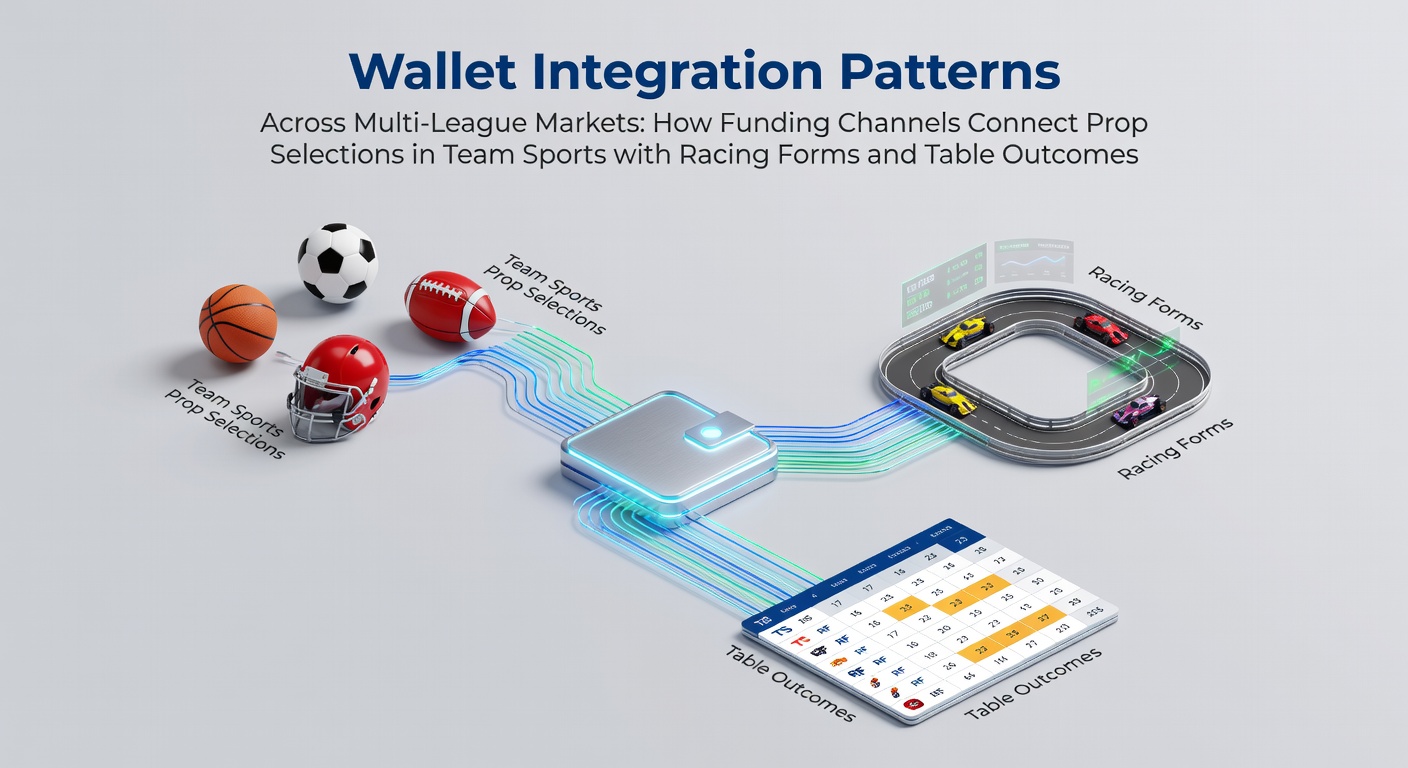
Wallet Integration Patterns in Multi-League Betting Markets: Linking Funding Channels Across Team Sports Props, Racing Forms, and Table Outcomes
Digital wallet systems now connect funding channels that move capital between prop selections in team sports and outcomes tied to racing forms plus table results, and observers note these patterns have expanded notably as platforms consolidate transaction options in 2025 and into May 2026. Data from industry reports shows transaction volumes rising when users shift balances without exiting apps during live events across leagues.
Core Mechanics of Cross-Market Funding Channels
Integrated wallets allow instant transfers that link NFL player props to horse racing win pools and blackjack table limits, while payment rails handle the switches in seconds rather than minutes. Researchers at the University of Nevada, Las Vegas International Gaming Institute have documented how these systems reduce latency through API connections that synchronize account balances across verticals, and figures reveal average transfer times dropped below three seconds on major platforms by late 2025. Those who track transaction logs find that users often maintain separate ledgers for team sport props versus equine entries yet rely on unified wallets for liquidity management.
Prop Selections in Team Sports and Their Wallet Ties
Prop bets on basketball player performance or football yardage totals feed directly into the same funding pools that support racing form wagers, and the connection happens through shared authentication layers that verify identity once across all markets. Evidence from platform analytics indicates that during peak overlap periods, such as concurrent NBA regular season games and thoroughbred meets, wallet activity spikes because participants move funds mid-session to chase correlated opportunities. Regulatory data collected by the Nevada Gaming Control Board confirms that operators must log these cross-vertical movements for compliance, creating traceable patterns that reveal user preferences for rapid reallocation.
Racing Forms Meet Table Outcomes Through Unified Payments
Racing forms generate data streams that feed live odds engines, and those same engines now interface with table game result trackers so that a winning trifecta payout can fund an immediate roulette streak without separate deposits. What's interesting is how API handshakes between equine betting modules and casino servers create these bridges, allowing balances to flow while maintaining audit trails required by oversight bodies. Canadian provincial regulators have reported similar integration trends in Ontario markets, where multi-game wallets support shifts from standardbred racing to poker tables during evening sessions.
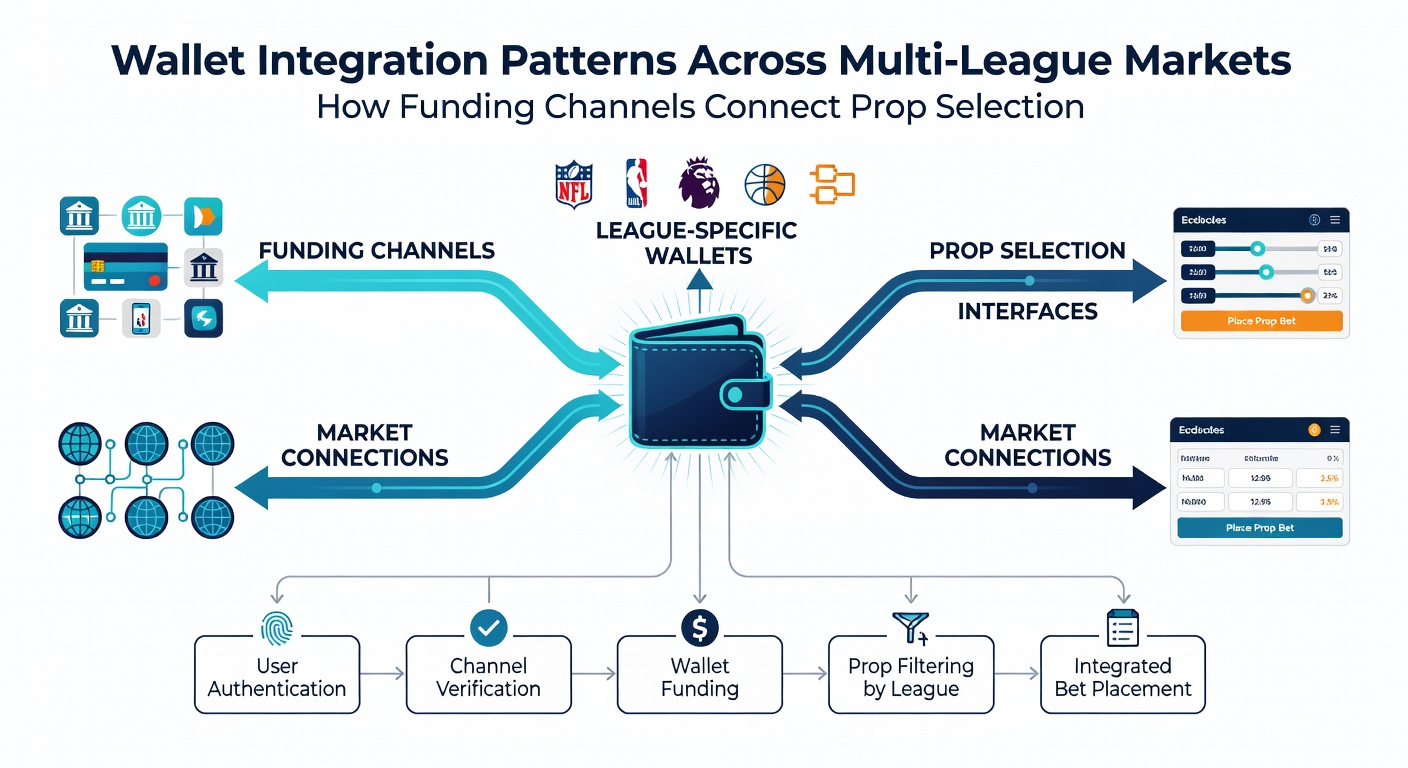
Platform operators implement tokenization that masks account details while preserving the ability to route funds across categories, and this approach meets standards set by multiple jurisdictions. Observers note that during May 2026 calendars, which feature overlapping professional drafts, playoffs, and classic races, the volume of such routed transactions increases because users seek to capitalize on timing advantages without re-entering banking information.
Patterns Observed in Multi-League Environments
Studies conducted by the Australian Gambling Research Centre highlight recurring sequences where initial deposits land in team sport prop accounts before migrating to racing forms and then to table outcomes within single sessions. These sequences follow predictable paths shaped by event timing, with evening table games often receiving inflows from earlier daytime racing activity. The patterns emerge because wallets maintain persistent session states that survive market switches, reducing friction that once forced users to abandon one vertical for another.
Payment providers embed fraud detection that scans across all connected markets simultaneously, and this layered monitoring catches anomalies faster than siloed systems could achieve. Data indicates that operators using these integrated approaches report lower chargeback rates because transaction histories remain consolidated rather than fragmented.
Technical Infrastructure Supporting the Connections
Backend ledgers now operate on distributed architectures that reconcile balances in real time across prop, racing, and table modules, and this setup relies on standardized protocols that multiple software vendors have adopted. Those who've examined code repositories find that webhook triggers notify each vertical when a wallet balance changes, enabling immediate odds adjustments or limit updates. Security layers encrypt the payloads during transit, satisfying requirements from both North American and European oversight frameworks.
Conclusion
Wallet integration patterns continue to evolve as funding channels link prop selections in team sports with racing forms and table outcomes through increasingly sophisticated connections. Regulatory records and platform metrics document the growth of these systems, and the infrastructure supports seamless movement across multi-league calendars without requiring users to manage separate accounts. Future developments will likely refine these bridges further as event overlaps persist into subsequent seasons.